
Pharmaceutical packaging plays a critical role in the safe storage and delivery of medicines to patients, from jars and bottles to key accessories like bottle closures and caps. These accessories can be used to secure medical products, provide a childproof mechanism, and support the intuitive, accurate dispensing of dosages.
But which pharma closures and caps are most suited to different pharmaceutical containers and medicines?
In this guide, Origin explores the five closure types for pharmaceutical containers, their unique benefits and use cases, and the materials commonly used in pharmaceutical container packaging and closures.
An Overview of Bottle Closures: Understanding Different Types and Their Functions
There are several types of pharmaceutical closures, each with unique features and benefits that make them well-suited to specific purposes and products.
Below is an overview of some of the most common bottle closures and how they prove useful in a range of packaging solutions:
- Screw Caps: Provide a simple, secure seal for bottles that are primarily used for beverages, personal care items, and pharmaceuticals such as creams and lotions.
- Cork Closures: Provide an airtight seal that prevents leaks, while allowing oxygen transmission.
- Dispensing Closures: Include sprays, pumps and droppers. Often used in the pharmaceutical industry.
- Flip-Top Closures: Easy to open and close, commonly used for personal care products such as shampoo.
- Child-Resistant Closures: Used in the pharmaceutical industry to prevent accidental ingestion by children.
- Tamper-Evident Closures: Provide a clear indication that a bottle has been tampered with, preventing any risks associated with falsified medicines or worse.
A Guide to Screw Caps
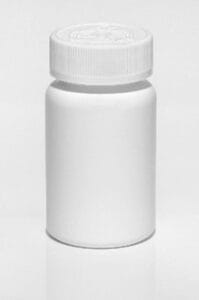
Screw caps offer many key advantages, including being simple to open, providing an airtight seal that protects contents from oxygen, and increasing product shelf life.
These pharma closures also prevent leaks, which is essential for packaging potentially harmful pharmaceutical products. Screw caps are also commonly made from polypropylene and polyethene, which makes them highly recyclable and reusable.
They are also extremely cost-effective to produce in bulk and can be used for a wide range of products.
Screw Cap Variations
- Threaded Skirt Screw Caps: Threaded skirt screw caps match the bottle’s seal lining, providing a flush and secure tamper-evident seal for products.
- Dispensing Screw Caps: These screw caps incorporate elements of flip caps, featuring a flip-top or push-down lid that controls product dispensing.
Exploring Cork Closures
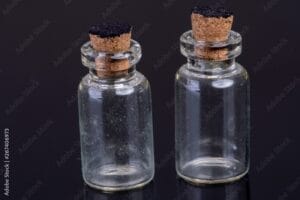
Cork closures provide an aesthetic elegance to pharmaceutical packaging that is generally more suited to the food and beverages sector, where their porous nature also helps the ageing of wines.
Cork is also natural and sustainable, which is better for the environment and reduces waste compared with some alternative materials.
Despite allowing oxygen to permeate, cork also has natural elasticity, which means it can contract and expand to fit any bottleneck and provide an airtight seal that prevents liquid from leaking.
Cork Variations
- Natural Cork: This type of cork is commonly made from bark and is sustainable and reusable.
- Agglomerated Cork: A type of cork closure that is constructed from glued granules, providing a rigid structure.
Understanding Dispensing Closures
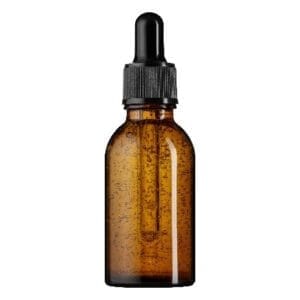
Dispensing closures come in three distinct types: pumps, sprays and droppers. They are generally used for pharmaceutical products that require direct application, such as disinfectant sprays or eye and ear drops.
The pump, spray, or dropping nozzle also provides controlled product application, which is perfect for pharmaceutical products where precise dosages need to be dispensed.
Dispensing closures also prevent hygiene issues such as cross-contamination, as they have limited contact with skin.
Variations of Dispenser Closures
- Droppers: Droppers consist of lids attached to a small pipette that allow for the application of stored pharmaceuticals drop by drop. Typically attached to glass and plastic dropper bottles.
- Sprayers: A type of dispenser bottle cap that applies the stored product in a mist form to cover a wide surface area.
- Pumps: Pump bottle caps are designed to dispense liquid by applying pressure to the pump and are often used for medical hand sanitiser and topical creams.
The Convenience of Flip-Top Closures
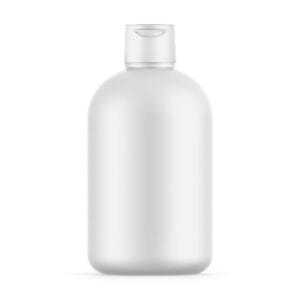
The biggest selling point of flip-top closures is how easy they are to open, making them ideal for quick-apply pharmaceuticals like creams and ointments. Flip-top closures can also be opened easily with one hand to help with dispensing.
Flip-top closures are highly customisable and cost-effective while protecting contents from contaminants.
Flip-top Closure Variations
- Push Button Flip Closure: This variation of flip closure adds a button that must be pressed before the flip cap is released. This adds an extra layer of security to the product and further helps prevent spills.
- Locking Flip-Top Closure: For greater security and child resistance, a locking mechanism prevents the flip-top cap from accidentally opening.
Child Resistant and Tamper Evident Closures
Consumer peace of mind is important, especially when it comes to handling pharmaceutical products – many of which can be toxic or hazardous when used by unintended users.
This is why tamper-evident and childproof bottle closures are critical: they allow consumers to clearly see whether a product has been opened and prevent accidental access by children.
Some common types of tamper-evident packaging are:
- Continuous Thread Closure: This type of bottle closure links the closure to a band around the bottle’s neck via a continuous line of plastic threads. Not only does this secure the container from outside influence, but it also makes it clear to the patient that the container has been tampered with.
- Tamper Evident Shrink Bands/Wraps: These are plastic bands or wraps applied around the closure of a container, such as a bottle or jar. They must be broken or cut to access the contents, leaving clear signs of tampering.
Child-resistant closures typically include complex locking mechanisms that prevent children from easily accessing them.
These are specialised caps or closures that require a specific combination of actions, such as squeezing, pushing, or turning, to open the container. They are designed to be difficult for young children to open, yet easily accessible to adults.
Types of Materials used in Bottle Closures
Here, Origin explores the two key materials used in the packaging of pharmaceutical containers and closures – metal and plastic – and their unique benefits…
Understanding Metal Closures
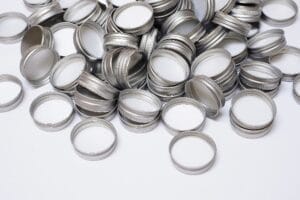
Metal closures are the most durable of any bottle caps and are less prone to breaking or deformation – making them ideal for long-term storage or unique and specialist closures where product integrity is critical.
They are commonly used in specialist pharmaceutical packaging, such as bottle closures for parenteral medicines administered through injection or infusion.
Metal closures are also highly reusable and recyclable compared with some plastics.
Variations of Metal Closures
- Screw Caps: Metal closures can come in screw cap varieties to secure contents while providing an intuitive method of opening.
- Flip-Top Caps: Metal closures can come in flip-top variants to make it easier to open and apply products while remaining a durable defence against the elements.
The Use of Plastic in Bottle Closures
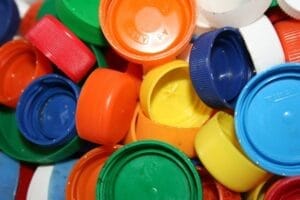
Plastic closures for plastic bottles are among the most widely used due to their low density and ease of manufacture, making them cost-effective and easy to mass-produce. They are also lightweight, saving money on bulk shipping costs.
Plastic is also extremely versatile, creating a variety of shapes. Polypropylene and polyethene are among the most popular and durable plastics that can be used to create an air-tight seal, preventing any stored products from leaking.
Most plastic bottle caps are also designed to be highly reusable and recyclable, making them ideal for sustainable businesses. View our complete catalogue of pharmaceutical closures and dispensers for high-performance sealing solutions.
Variations of Plastic Bottle Closures
- Polypropylene: Polypropylene is a plastic that withstands sterilisation, making it ideal for use in the pharmaceutical industry.
- Polyethylene: Polyethene is highly chemically resistant, making it ideal for products where chemical erosion and leakage are risks.
Choosing the Right Closure for a Pharmaceutical Product
When choosing the right type of closure for a pharmaceutical product, many factors need to be considered to deliver medicine safely and intuitively to patients:
- Product Compatibility: Consider the physical characteristics of the product that needs to be stored. Some products may have specific enclosure requirements; for example, a vial containing a corrosive liquid may require a cap that is chemical-resistant to prevent leakage or contamination. Explore our full range of certified child-resistant caps designed for safe pharmaceutical sealing.
- Product Protection: Consider the product. It may require additional protection from UV rays, or the packaging must provide an air-tight seal. It’s these essential considerations that maintain integrity and improve the shelf life of pharmaceutical products.
- Cost Considerations: Essential to the cost-effective shipping of pharmaceutical goods. The lighter a package, the less it costs to transport. Polyethene and polypropylene are examples of plastics that are highly cost-efficient to manufacture.
Emerging Trends in Bottle Closure Design
Pharma packaging design is a field that is always innovating, as manufacturers and healthcare companies seek new ways to securely store and intuitively, accurately dispense medicines.
However, there are two key areas set to impact the future of bottle closure design more than any other:
- Sustainability: Reducing waste and reusing energy are key demands of modern eco-conscious consumers. Manufacturers will continue to find new ways to develop packaging made from sustainable materials without compromising on the core functionality of medical products.
- Bespoke packaging: With compliance and sustainability becoming increasingly critical, many businesses will look to develop bespoke solutions rather than compromising on core features with off-the-shelf products. This may include sustainability features or unique features such as child-proof locking mechanisms and UV-protected bottle caps.
Find Packaging of Pharmaceuticals Containers and Closures at Origin
After reading this blog, you now know in detail about the pharma closures in the pharmaceutical industry, their different qualities, and which is the best for your business.
At Origin, you can find a wide range of pharmaceutical closures designed to industry standards, with many child-resistant closure options.
To find out more about the types of closures in the pharmaceutical industry or if you have any questions about our range of packaging, chat with our expert team today.
Frequently Asked Questions (FAQs)
What Is Continuous Thread Closure?
Continuous thread closure, also known as continuous thread cap, is a type of bottle closure commonly used for sealing bottles, jars or containers. The threads on the inside of the cap are attached to the threads on the container neck, locking them in place. To open the product, those threads must be pried apart. Continuous thread closure is one of the best tamper-evident closure designs, as it gives a clear indication of when the bottle has been opened after sealing.