

The role of pre-filled syringes in delivering the personalised drug revolution
The future of medicine is personalised, based on treating individuals for their risk factors and replacing the traditional universal medicine approach.
A leading tool in the delivery of personalised medicine is pre-filled syringes, with over 10.2 million units expected to be sold worldwide by 2026. Pre-filled syringes are revolutionising the way medicine is controlled, delivered and adhered by providing benefits in safety, minimised waste and ease-of-use.
As the pharmaceutical industry continues to push towards a personalised medicine standard, pre-filled syringes will pave the way as a flexible and safe ideal. So, how are they leading the drug revolution?
For the patient
Healthcare is changing, as we shift away from a ‘one-size-fits-all’ approach, towards delivering patient value.
The way we analyse patients is becoming more accurate, giving greater insight into individuals’ health needs and risks. It means we can determine which interventions are effective and which aren’t, streamlining medicine production.
The reality will see ineffective interventions left behind, with the pharmaceutical industry developing medicines fit for patients’ needs and delivering more quality care. Pre-filled syringes provide a necessary platform for big pharma to control and administer personalised solutions.
However, with challenges arising in sustainability and sensitivity, it’s up to the whole pharmaceutical supply chain to play their part in delivering personalised medicines.
A new structure
Personalised medicines boast a more complex structure than traditional alternatives, and while it allows them to deliver targeted relief to patients, it makes them sensitive to contact with other structures, causing problems when it comes to packaging.
The delicate structure of personalised medicines – along with the fact they’re delivered in smaller batches given their distinct usage – could cause chaos for manufacturers in terms of packaging and delivery.
The answer is primary packaging that provides a safe and compatible barrier for medicine. In terms of pre-filled syringes, they act as a singular vehicle for, and direct administrator of, the medicine, protecting its contents from contamination.
So, the challenge comes in identifying suitable materials to fulfil both the de-contamination role, plus safe delivery for patients.
Industry focus is on producing pre-filled syringes from COP and COC polymers. These resins perform well with most chemical structures and provide moisture vapour barrier properties which prevent moisture transmitting through the walls, which can be a problem with polythene products.
Cyclic olefin plastics are becoming a go-to alternative to glass because of their inert structure – composed of just carbon and hydrogen. They can be made-for-purpose while maintaining a rigid, chemically resistant structure, making them flexible for use in primary and secondary pharmaceutical packaging, like blister packs and pre-filled syringes.
However, manufacturers and packaging suppliers must consider how they intend to use and sterilise pre-filled syringes made from COP or COC polymers, as they won’t be suitable for long-term usage.
All compounds and primary packaging structures need to be extensively tested for materials, extractables and leachables, durability, shelf life and more, plus tested for suitability with secondary packaging. Certain compounds may be considered non-toxic, but when tested for temperature, failure analysis and more, demonstrate a risk to patients.
Wearable medicine
The evolution of pre-filled syringes is continuing with wearable injector technologies. The key to personalised medicine is providing value and quality of healthcare to patients, and wearable medicines provide the convenience and comfort to meet this need.
Large-volume wearable injectors (LVWIs) provide benefit for healthcare systems and patients, moving treatment out of hospitals and into the home, relieving pressure on healthcare staff schedules while giving patients home comforts while receiving treatment.
They also deliver stress-free subcutaneous treatment, minimising the number of expensive intravenous infusions needed.
Thanks to the innovation of pre-filled syringes and the mobile connectivity of LVWIs, correct dosage adherence can be monitored remotely, ensuring the best possible care for patients without the need for regular hospital visits.
The potential of personalised medicine in delivering a high quality of care for patients and rewards for the pharmaceutical industry is huge. However, it’s up to those throughout the whole supply chain to ensure safe and efficient packaging and delivery across all touchpoints to reap the benefits.
Related Posts
VIEW ALL Posts
Why Child-Resistant Vape Packaging is a Non-Negotiable
As the vape industry continues to grow, the need for dependable packaging that bears the needs of its users in mind becomes increasingly important. Specifically, packaging that prevents the risk of harm to children through unintended use of vape products is imperative. To meet this need, using child-resistant packaging is not only an ethical responsibility…
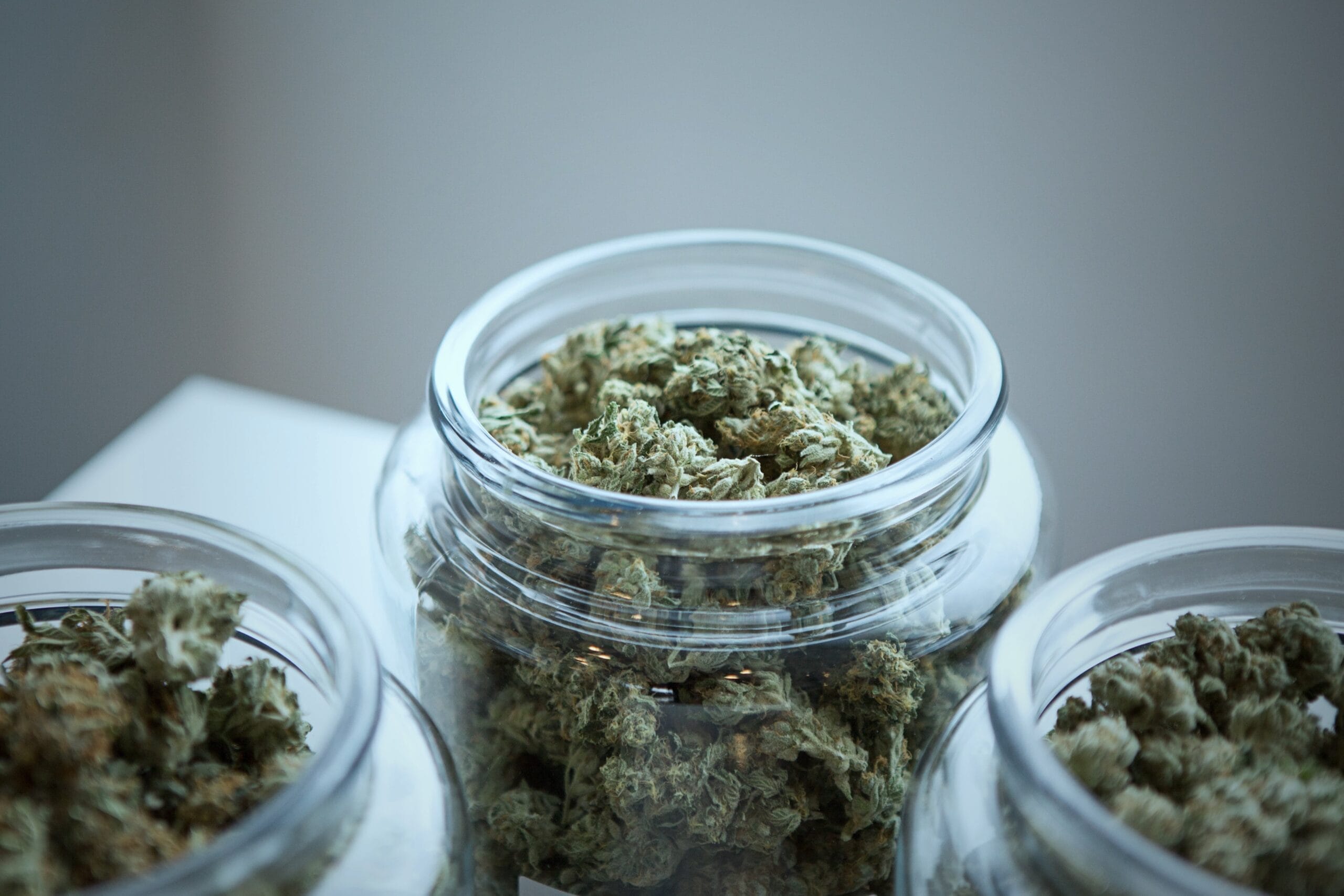
Maintaining Quality: Origin’s Guide to Keeping Medical Cannabis Fresh
As the commonality of medical cannabis continues to increase in the UK, keeping dried medical cannabis flower is essential to ensure the longevity and safety of prescribed medication. As medical cannabis packaging plays a significant part, there are specific qualities to bear in mind that mean that certain qualities are favoured for preservation. Below, we…
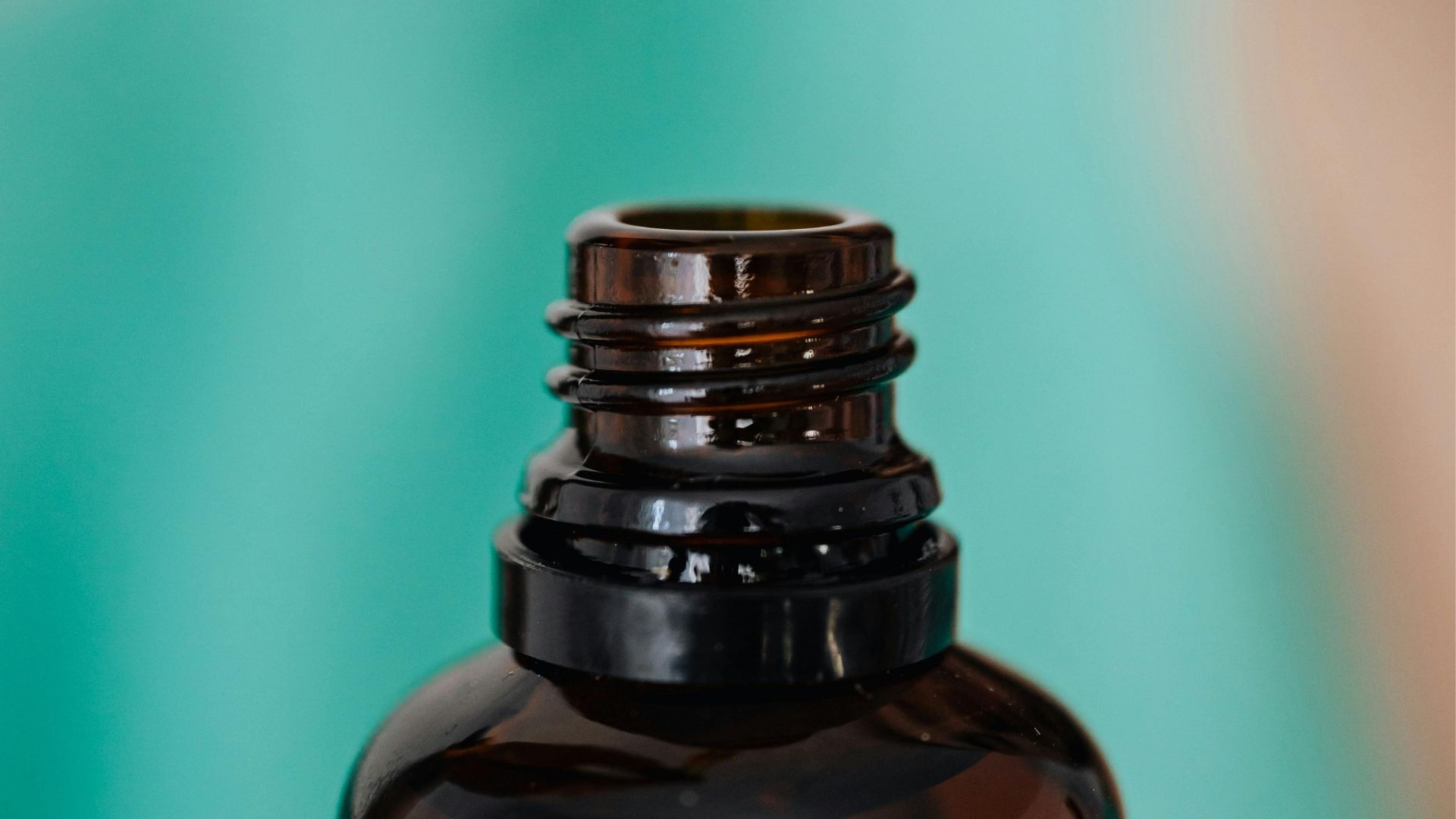
Glass vs PET: Choosing the Right Material for Your CBD Oil
When choosing packaging for CBD oil products, the two most common choices are glass and PET (polyethylene terephthalate) bottles. Each of these materials offers unique benefits and is popular as a result. However, this can make choosing between the two difficult without full knowledge of their benefits and drawbacks. In this blog, we cover the…