
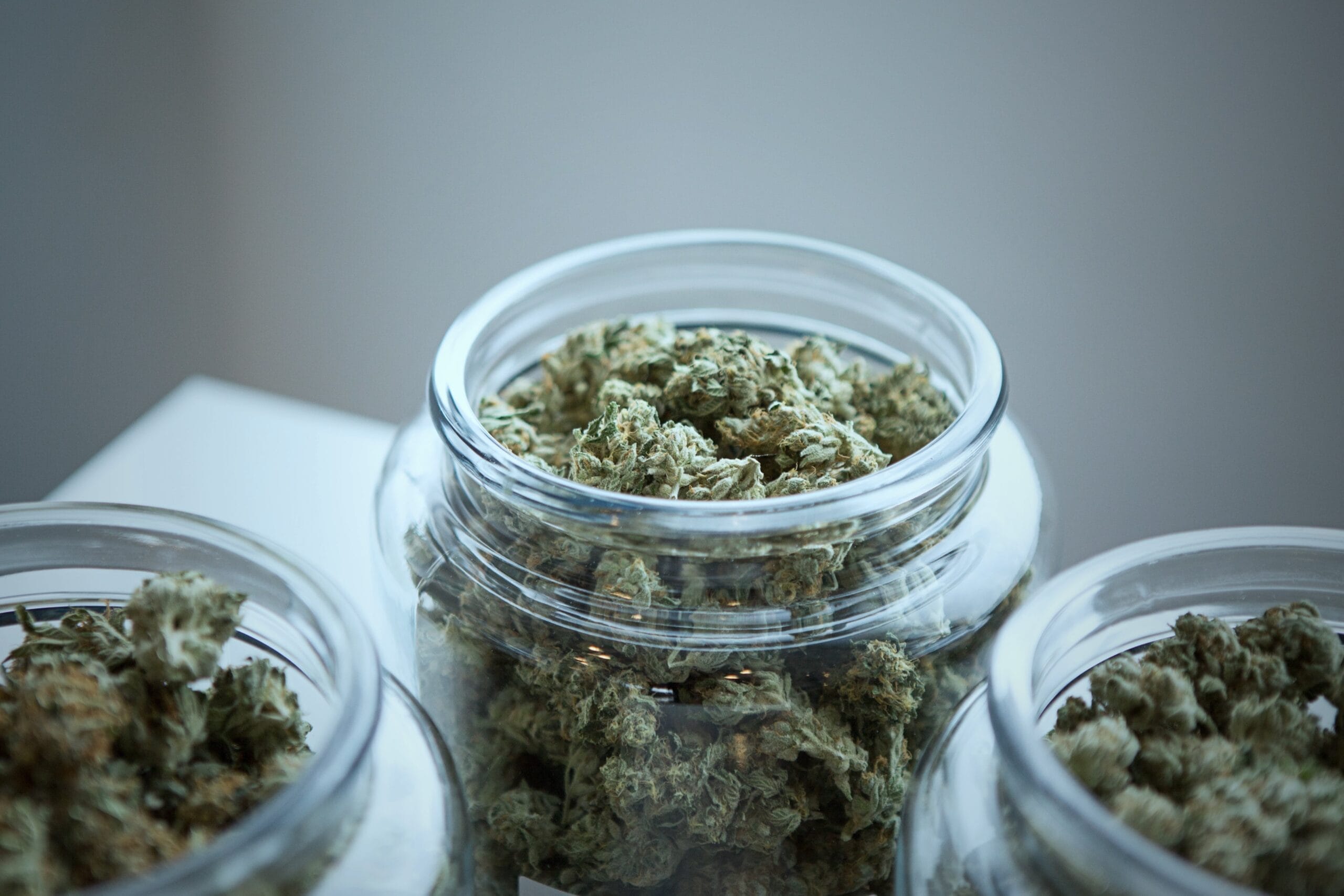
Medicinal Cannabis and the Pharmaceutical Industry’s Budding Opportunity
Medicinal cannabis is currently a huge talking point within health circles and in the media, yet it remains on the fringes of Big Pharma.
There are few subjects that stir up greater debate than medicinal cannabis. Is it safe? Should it be legal? Has its effectiveness been proven? What conditions is it useful for? Is it addictive?
But there are signs that the scepticism is changing with the legalisation becoming more relaxed, the rising popularity of CBD oil as a lifestyle trend, and increasing awareness about cannabis’s therapeutic benefits, as detailed in a growing body of scientific research.
Below, we explore the current state of the medical cannabis industry, its gradual yet increasing adoption within global healthcare, and the importance of reliable medical cannabis packaging and CBD packaging for child safety.
The Types of Medical Cannabis Products
Cannabis is a plant with a long and troubled history, but slowly it is becoming separated from the “war on drugs” as its medicinal powers become better understood.
In order to map out the medicinal cannabis market and where the greatest commercial opportunities lie, it’s important to understand the different types of cannabis-based products.
Of course, there’s pure cannabis, which will continue to be widely used as a recreational drug. While there’s evidence that its use is falling in the UK, it remains the most popular illegal drug.
Cannabidiol (or CBD) has experienced a huge popularity spike over recent years, with the number of people using it in the UK currently estimated to be around 300,000 according to Verdict. As a non-psychoactive product, CBD can be inhaled, smoked, vaped, or eaten in many different forms.
The Problems with Medical Cannabis Implementation and Prescription
Despite CBD products becoming mainstream, many still carry unsubstantiated health claims. There seems to be a widening gap separating the surging CBD market and scientific evidence.
Then there’s medicinal cannabis, an emerging field of modern science using the extracts of ancient plants. As an extremely promising area of research for a variety of illnesses and ailments, including chronic pain, epilepsy, dermatitis, multiple sclerosis, liver disease and cancer, healthcare systems worldwide are starting to explore and invest in cannabis-based medicine.
However, since its legalisation in the UK in November 2018, it’s been widely reported, as in The Independent, that patients have experienced difficulty accessing medicinal cannabis on the NHS.
The NHS itself states that “very few people in England are likely to get a prescription for medical cannabis” and that it is “only to be prescribed for in two cases – children and adults with rare, severe forms of epilepsy and adults with vomiting or nausea caused by chemotherapy”.
Cannabis medicine isn’t currently available from GPs; only specialist hospital doctors can prescribe it, but only after conventional medicines have proven to be ineffective or unavailable.
The U.S. is one of the most progressive countries; however, a disconnect exists between the availability and demand for cannabis-based medicine and the knowledge and confidence of healthcare professionals in prescribing it.
For example, a study by the University of Colorado Cancer Centre found 73 percent of surveyed oncology providers believe that medical marijuana provides benefits for cancer patients, but only 46 percent felt comfortable recommending it. This is linked to a lack of educational programmes and uncertainty of dosing.
Pharma’s Budding Opportunity Within Medical Cannabis
Being easy and inexpensive to produce, medicinal cannabis products offer the opportunity for both innovation and access: a balance the healthcare sector strives to achieve.
However, despite the potential in this space for pharmaceutical companies, so far, we have not seen large transactions or market entries similar to those made by alcohol or tobacco companies.
That being said, more drug companies are starting to invest in cannabis research, sponsor clinical trials and develop distribution networks.
As researchers and entrepreneurs continue to innovate in the space, they will find applications we haven’t even thought of yet. Any pharmaceutical companies standing back and watching from a distance, concerned by its legacy and the uncertain regulatory landscape, risk missing the boat.
Which Countries Will Lead the Way with Medical Cannabis Production?
Shortages of medicinal cannabis are of large concern to the pharmaceutical industry when commercialising the product at scale. As the sector grows, where can cannabis and hemp plants be grown in a cost-effective and compliant way to keep pace with rising demand?
Colombia has some of the most progressive laws in the world. Specifically, Law 1787 enacted in 2016, enables pharma companies to build the scientific, technological, legal, and commercial infrastructure for a financially successful and compliant medical cannabis industry.
What’s more, the UN – which is becoming progressively more accepting of cannabis – allots CBD production quotas, and Colombia currently has the largest in the world (currently 44 percent). However, production will have to become more localised to keep up with demand from different territories. Only recently, the British farming industry voiced its excitement about the opportunities for the rural economy from a growing domestic cannabis industry.
The complex and localised nature of regulation is another contributing factor to why pharma hasn’t entered the market en masse. Unlike traditional medicine, the regulatory framework for cannabis products varies greatly from country to country and in the U.S, from state to state. Therefore, multi-national pharma companies must weigh the potential impact of entering the medical cannabis market against other lower-risk opportunities.
Child Safety and Medicinal Cannabis
Currently, cannabis oils are being favoured by physicians over flower-based products because it makes it easier to provide more accurate dosage information. However, concentrated cannabis poses a high degree of danger to children.
Just like traditional medicine, if a child accidentally ingests large quantities of concentrated cannabis oil, the effects could be life-threatening or fatal in some cases.
While parents have a role to play by keeping medicine out of sight and reach, the industry has a responsibility to invest in child-resistant packaging as the first line of defence. Specifically, packaging must adhere to standards such as BS EN 862 and ISO 8317 to ensure compliance with industry standards, which a variety of child-resistant packaging products and design choices can meet.
Developments in Medical Cannabis Packaging
Recent popular advancements in medicinal cannabis packaging design include ziplock bags, providing a lightweight and compact way of securing medicine, and has seen a spike in demand with the recent rise of CBD products.
Ziplock packaging is a single-entry design which requires mature dexterity to slide a zipper open to access the contents, helping to prevent unintended access to children. Many designs even include a flap which covers the zipper when the bag is closed, disguising the entry point as an added layer of security.
Packaging manufacturers also have a duty to label child-resistant packaging clearly for consumers. This includes using complete terms like ‘child-resistant packaging’ rather than abbreviations and including the information in a specified place – the ‘how supplied/storage and handling section’ of the label. Separate adhesive labels are seen as best practice compared with on-packaging designs.
Medicinal Cannabis Packaging at Origin
At Origin, we have a wide range of medical cannabis packaging options to not only keep your products securely protected and prolong their shelf life, but also offer safe and convenient use for patients.
These include the Origin Jar, which features wide necks for easy dispensing, is certified to ISO 8317 and 16 CFR, and is produced in our cleanroom manufacturing facilities for compliance. It is also available in an amber glass format, which adds protection against UV degradation to ensure the extended efficacy of your product.
Additionally, we offer a range of bulk-format aluminium bags and plastic child-resistant bags, which are lightweight, child-resistant, and tamper-evident.
You can also find a range of CBD packaging in our selection, including a range of plastic dropper bottles
and glass dropper bottles for safe and effective storage of CBD oils.
If you’d like to find out more about our many medicinal cannabis and CBD packaging products, or would like to enquire about a custom packaging solution, contact us today. A member of our team will be able to assist you.
Related Posts
VIEW ALL Posts
Child-Resistant Packaging: Balancing Child Safety with Senior Accessibility
With many varieties of pharmaceutical packaging and lifestyle product packaging, there’s a need for child-resistant packaging for the safety of end users and to meet industry regulations. However, the design of child-resistant packaging presents a challenge. It must be difficult for children to open, but accessible enough for adults. However, this can present challenges with…

Why Child-Resistant Vape Packaging is a Non-Negotiable
As the vape industry continues to grow, the need for dependable packaging that bears the needs of its users in mind becomes increasingly important. Specifically, packaging that prevents the risk of harm to children through unintended use of vape products is imperative. To meet this need, using child-resistant packaging is not only an ethical responsibility…
Maintaining Quality: Origin’s Guide to Keeping Medical Cannabis Fresh
As the commonality of medical cannabis continues to increase in the UK, keeping dried medical cannabis flower is essential to ensure the longevity and safety of prescribed medication. As medical cannabis packaging plays a significant part, there are specific qualities to bear in mind that mean that certain qualities are favoured for preservation. Below, we…