

Child-Resistant Packaging: Protecting Little Hands and Preventing Big Accidents
All parents know that young children have a deep curiosity about the world around them, and love nothing more than to explore. Unfortunately, there are a surprising number of items around the home that might pose a health or safety concern if they’re discovered by little hands. That’s why child-resistant packaging is an essential investment for any business selling products that might be dangerous for children.
But what is child-resistant packaging? How do child-resistant caps work? And if you’re a business owner, how can you ensure your products follow UK child-resistant packaging regulations? Read on to learn everything you need to know.
What Is Child-Resistant Packaging?
Child-resistant (CR) packaging is product packaging designed to be difficult for children under the age of 52 months (4.3 years) to open within a reasonable time – whilst remaining accessible for adults. It typically requires a level of dexterity, strength or reasoning that young children haven’t yet developed. Common examples include medicine bottles with push-and-turn caps, blister packs for tablets and childproof locks on cleaning product containers.
Crucially, ‘child-resistant’ doesn’t necessarily mean ‘childproof’; no packaging can be guaranteed to be impossible for children to open. CR packaging mostly aims to delay a child’s access long enough for an adult to intervene.
Why Is Child-Resistant Packaging So Important?
Young children are naturally curious and often explore their environment by putting things in their mouths. This can lead to accidental poisonings or injuries if little ones come into contact with toxic or harmful substances. Medicines can be particularly dangerous; for example, ingestion of aspirin can lead to salicylate poisoning, which is a medical emergency.
According to NICE, thousands of children under five are admitted to hospital each year in the UK due to suspected poisoning. The majority of cases are due to pharmaceutical products and household items like cleaning products and e-cigarette liquids. Fortunately, though, these incidents have become far less common since the advent of child-resistant packaging.
In 2008, the World Health Organisation (WHO) called CR packaging “one of the best-documented successes in preventing child poisoning in the developed world”. Studies suggest that it’s saved hundreds of lives in the UK alone.
Types of Child-Resistant Packaging
Child-resistant packaging broadly falls into two main categories: reclosable and non-reclosable.
Reclosable CR packaging, which was first introduced in the UK in 1975, can be opened and safely reclosed any number of times while still remaining child-resistant. It’s commonly used for products such as washing liquid, prescription medicine bottles, and anything else that is designed to be used over time.
Non-reclosable CR packaging, on the other hand, didn’t make its way to the UK until 2001. This type of packaging is designed for single-use products, such as blister packs for tablets. Once opened, it’s no longer child-resistant, so cannot be refilled or reused.
How Do Child-Resistant Caps Work?
Reclosable bottles, jars and containers with child-resistant closures typically use a two-step opening process. The three most common types used in the UK are:
- Push-and-turn: Often used for child-resistant bottles, these require the application of downward pressure while the cap is turned simultaneously.
- Squeeze-and-turn: The sides of the cap must be squeezed at specific points while turning to open.
- ‘Line up the arrows’: This type of packaging features arrows or markers on the cap and container that must be carefully lined up before the cap can be removed.
Most CR packaging mechanisms are based on the fact that young children find it difficult to carry out two actions at once. While adults can quickly grasp and remember the opening technique, it remains a challenge for children – giving adults time to step in.
Testing and Certification Standards
In the UK, there are strict certification standards surrounding child-resistant packaging. BS EN ISO 8317:2015 outlines the requirements and testing procedures for reclosable packages, such as medicine bottles and bleach. For child-resistant non-reclosable packaging, there are two: BS EN 14375:2018 for pharmaceutical products, and BS EN 862:2016 for everything else.
To be certified as child-resistant, at least 85% of children under 52 months must be unable to open the packaging within a specified time, and 80% must still fail to open it after watching a demonstration. However, the packaging must also be usable for adults – 90% of adults must be able to open it (and properly reclose it, if applicable) within one minute.
By law, any product that is poisonous when swallowed or inhaled, or can cause skin corrosion, must be sold in CR packaging that meets these standards. So, it’s important for consumers, businesses, and packaging manufacturers to be aware of them.
Related Posts
VIEW ALL Posts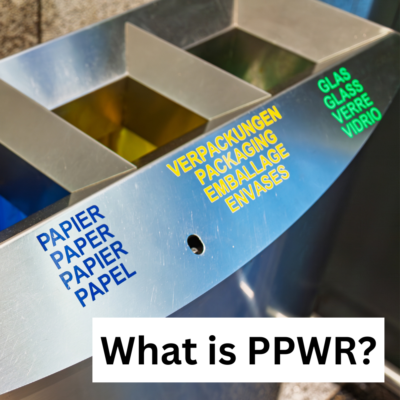
PPWR: What the New EU Packaging Regulations Mean for Businesses Selling into Europe
The Packaging and Packaging Waste Regulation (PPWR) is one of the most significant pieces of packaging legislation introduced by the European Union in recent years. From 12 August 2026, new requirements will begin to apply to packaging placed on the EU and EU associated market countries, with further measures being introduced gradually through to 2040…
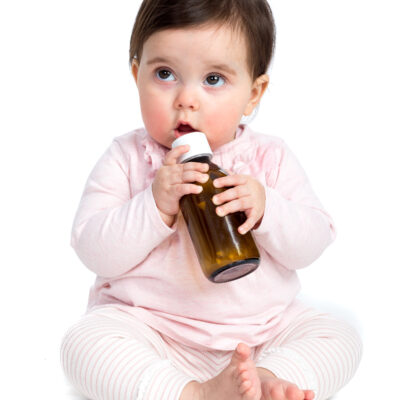
Child-Resistant Packaging: Balancing Child Safety with Senior Accessibility
With many varieties of pharmaceutical packaging and lifestyle product packaging, there’s a need for child-resistant packaging for the safety of end users and to meet industry regulations. However, the design of child-resistant packaging presents a challenge. It must be difficult for children to open, but accessible enough for adults. However, this can present challenges with…
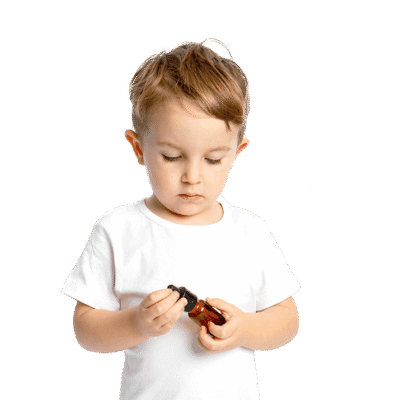
Why Child-Resistant Vape Packaging is a Non-Negotiable
As the vape industry continues to grow, the need for dependable packaging that bears the needs of its users in mind becomes increasingly important. Specifically, packaging that prevents the risk of harm to children through unintended use of vape products is imperative. To meet this need, using child-resistant packaging is not only an ethical responsibility…
