
A plastic revolution: How packaging innovation is helping the fight against plastic waste
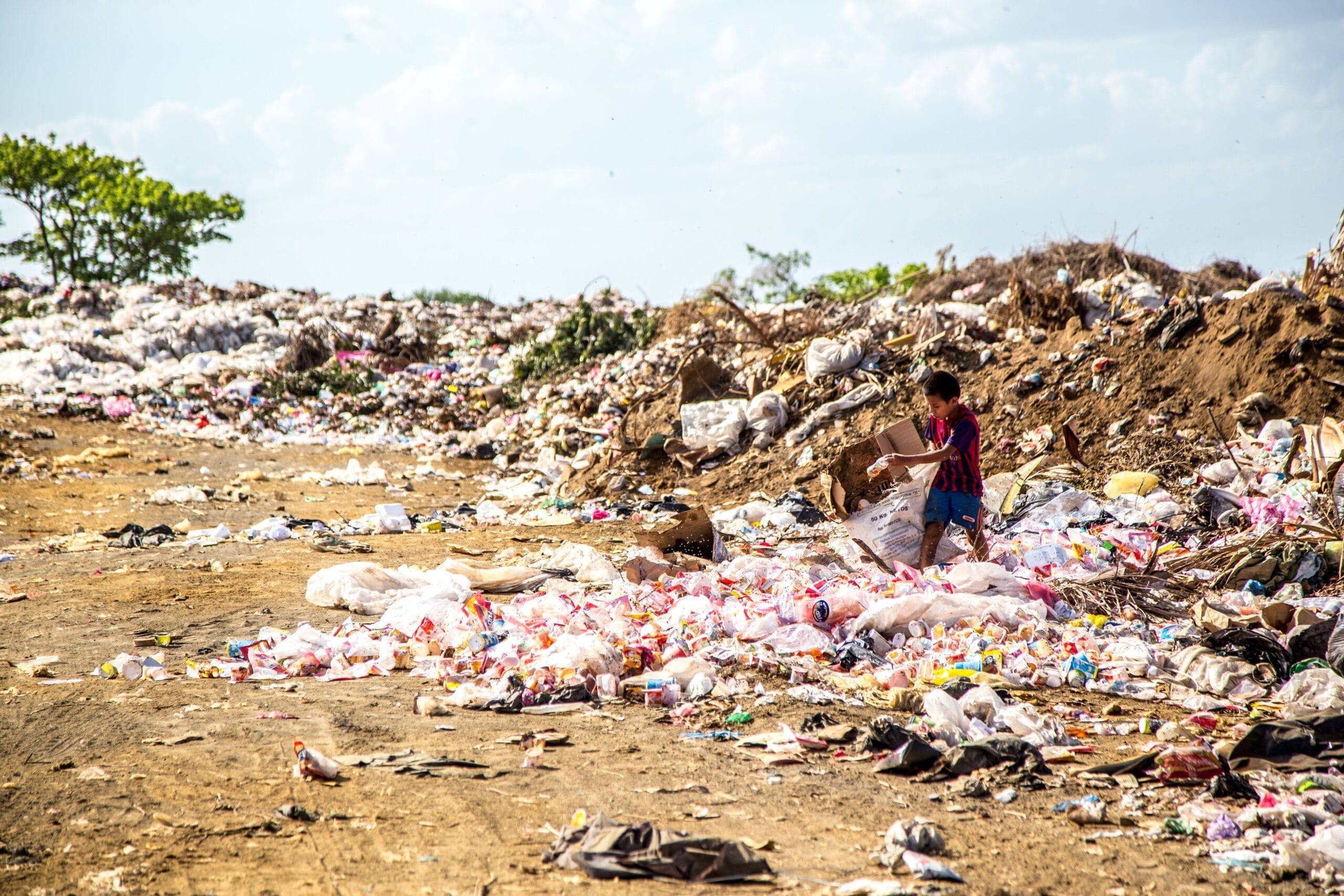
Meeting in Nairobi in December 2017, the United Nations Environment Assembly committed to a new resolution, urging all countries, ‘to prevent and significantly reduce marine pollution of all kinds, in particular from land-based activities’ by 2025. It claims, unless we take action, our oceans will contain more plastic than fish by 2050.
The call to action is increasing and businesses across all sectors are preparing for the global fight against disposable plastic packaging.
Origin discusses how businesses, particularly the pharma industry, can evaluate current processes to remain both cost-effective and reduce plastic waste.
Alternative materials and technologies
According to the UK Government, plastic waste in the oceans will treble in the next decade, as each piece takes hundreds of years to break down. Of course, it’s the responsibility of businesses to help take action against plastic waste, but this will inevitably cause challenges for the pharmaceutical market.
There is more research taking place around bio-based PE and bio-based PET, as these materials are easily recyclable alongside their conventional counterparts in existing recycling streams. Bio-based PET is made from ethylene derived from sugarcane. Cultivation of sugarcane utilises carbon dioxide and releases oxygen, which means it also has a negative carbon footprint.
Some of the latest applications for alternative forms of plastic include pioneering new technology converting PET waste back into virgin grade material for use. It works by taking non-recycled PET waste — like coloured bottles — and breaking it down to base molecule level, while separating the colour and other contaminants.
The molecules are converted back into PET, which is equal to virgin grade quality. The technology has successfully passed its pilot stage and is now moving towards testing at an industrial scale.

Eco-friendly production
The right design and manufacturing processes can significantly reduce waste and reliance on energy, creating a final product with a lower carbon footprint. As a heavily regulated industry we are not always the best at collaboration, yet there is barely an industry not affected by the cry for alternative materials, so it’s important to focus on developing solutions.
3D printers are cutting back on waste during the R&D stages of pack development, as it slowly adds material to an item until it is complete. Most other manufacturing methods are subtractive, but with additive manufacturing you are building objects from the bottom up and only using the material you need.
3D printing can also accelerate early-stage product development through rapid prototyping. It helps companies design several molds so these can be manufactured quickly and economically. Thus, it can rapidly expedite the time and cost it takes to bring a product to market.
 Minimising waste
Part of the solution for cutting plastic waste is to reduce the total amount of packaging produced overall. We should focus on optimising the materials we already use alongside technology, which is developing within production processes, to deliver material intelligently within the molding process.
Rheological, thermal and mechanical mold design with the help of a wide variety of software solutions, is part of the answer to reducing waste in the design and processing stages. Furthermore, computer aided design (CAD) and computer aided manufacturing (CAM) allows close tolerances during the mold making stages, which further enhances accuracy.
We also need to look beyond packaging and consider how innovations in formulations and dispensing can reduce the quantity of packaging needed to deliver products.
A good example of this is the innovative tamper-evident design of two-in-one vials for pharmaceuticals. These enable consumers to easily determine the authenticity of a product and takes the guesswork out of mixing drugs, so there is less waste. There is less chance of contamination and it’s a cost-effective solution versus traditional glass vials.
Innovations are occurring across temperature-controlled packaging as well. A standard characteristic is many different dimensions are necessary to account for any change in mass or volume. However, pharma industries are working on solutions which do not require a comparable variety of components and therefore have smaller overall dimensions.
Reshape the materials’ economy… one step at a time
A new report suggests applying circular-economy principles to global plastic-packaging flows could reshape the materials’ economy. It could drastically reduce negative externalities, such as “leakage” into oceans as plastics escape established waste-collection systems.
To create an effective after-use plastics economy, the pharma industry should start to establish a cross-value chain dialogue and industry-wide plastics protocol to substantially improve collection, sorting and reprocessing yields and quality, while allowing for regional differences.
Focus on key innovation opportunities that have the potential to scale up should continue, such as investments in new or improved materials and reprocessing technologies. There needs to be a continued focus on adopting reusable and industrially compostable plastic packaging when possible too.
While there remains a degree of scepticism regarding the detail, nature and geographical source of global plastic waste, there is clearly no time to be lost in addressing the bigger issue. There are aspects to the plastics crisis within our control and opportunities to demonstrate our commitment as an industry and as a nation to lead and pioneer in the realisation of a safer, sustainable environment.

Related Posts
VIEW ALL Posts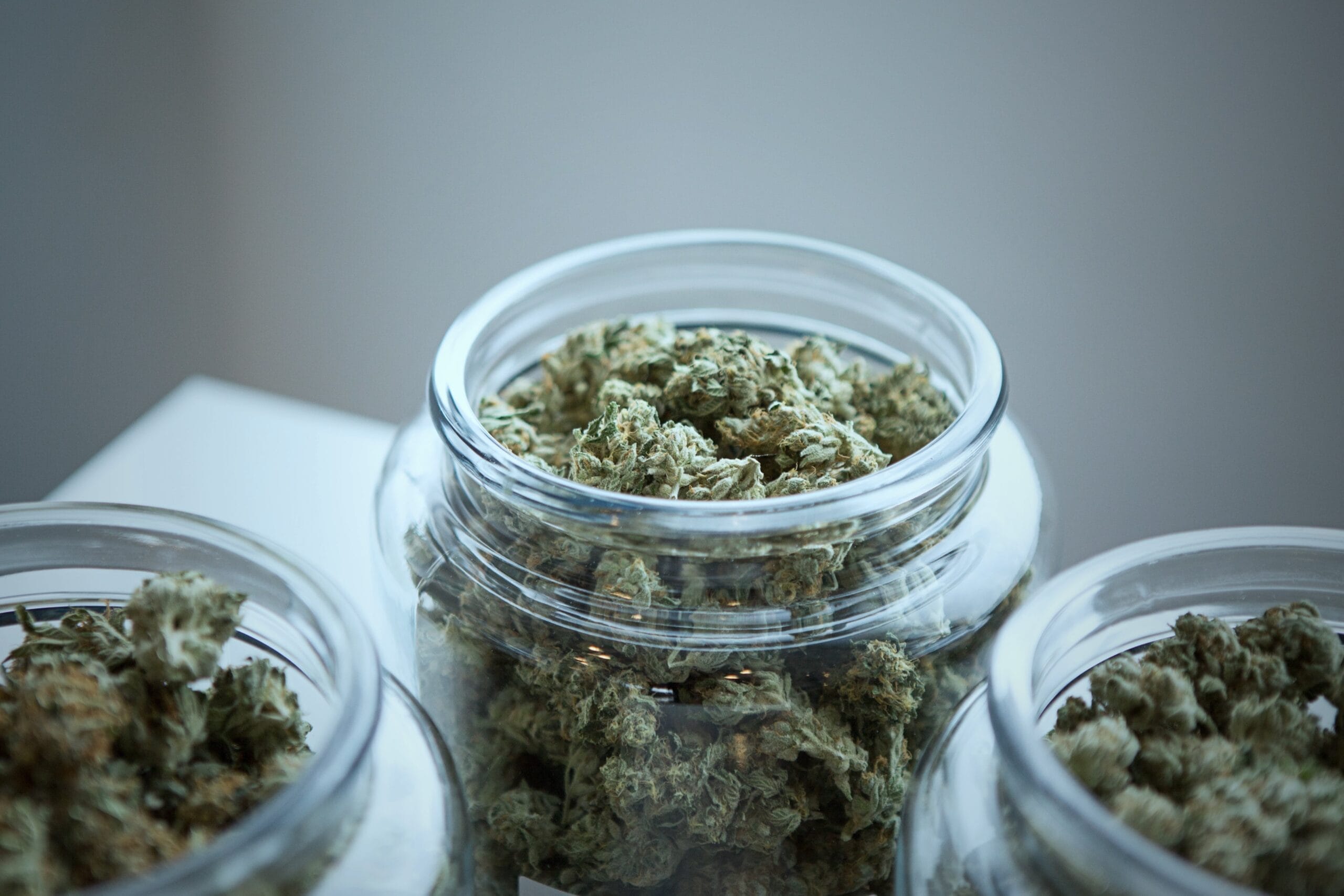
Maintaining Quality: Origin’s Guide to Keeping Medical Cannabis Fresh
As the commonality of medical cannabis continues to increase in the UK, keeping dried medical cannabis flower is essential to ensure the longevity and safety of prescribed medication. As medical cannabis packaging plays a significant part, there are specific qualities to bear in mind that mean that certain qualities are favoured for preservation. Below, we…
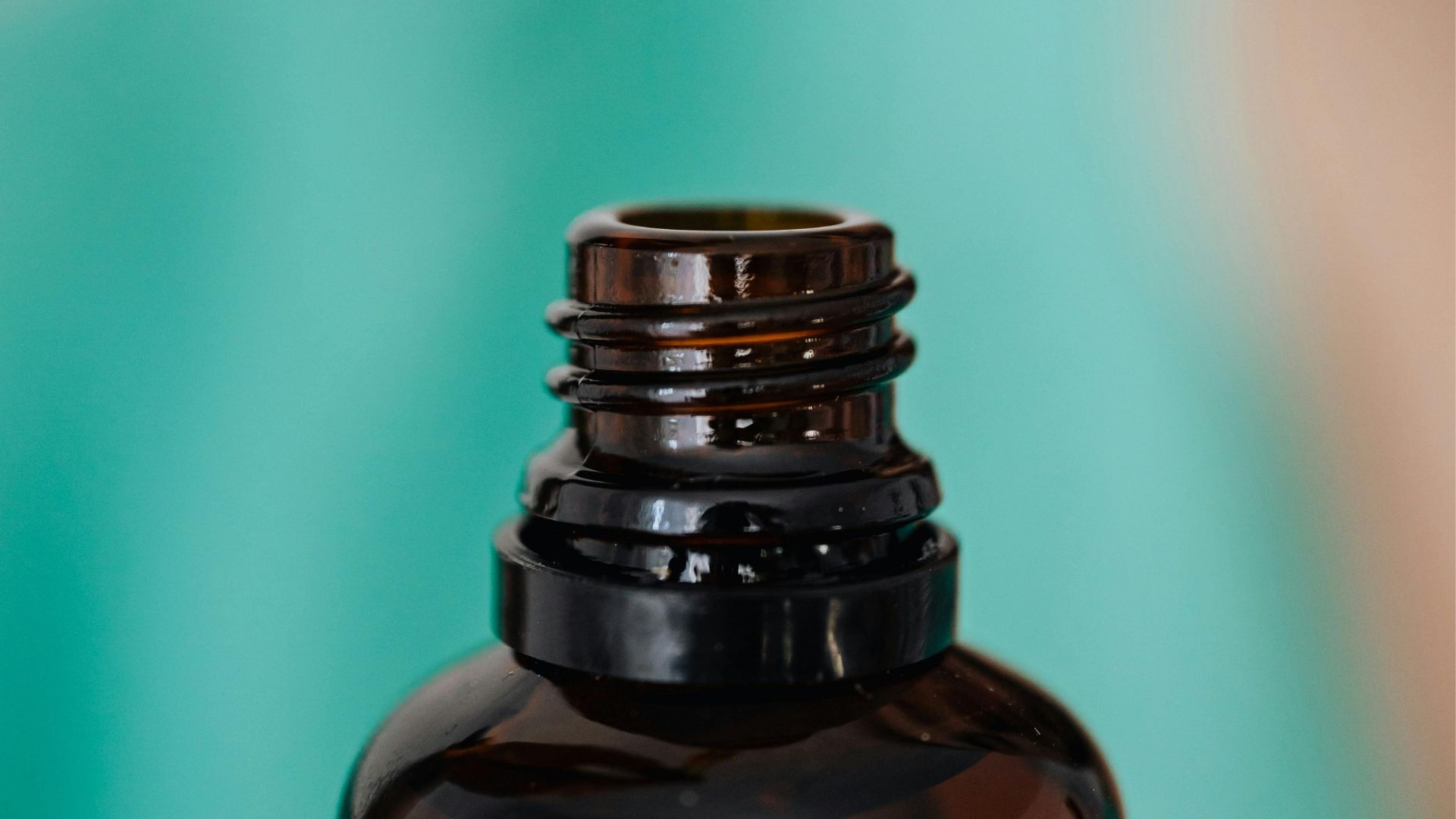
Glass vs PET: Choosing the Right Material for Your CBD Oil
When choosing packaging for CBD oil products, the two most common choices are glass and PET (polyethylene terephthalate) bottles. Each of these materials offers unique benefits and is popular as a result. However, this can make choosing between the two difficult without full knowledge of their benefits and drawbacks. In this blog, we cover the…
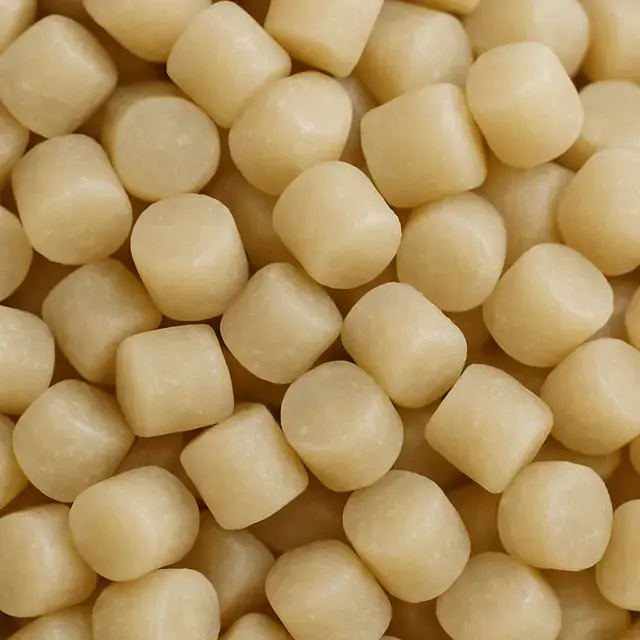
What is Bioresin and How is it Used in Packaging
As the amount of plastic packaging pollution continues to increase, it’s more important than ever that sustainable packaging options are developed to protect the planet’s future. Resultantly, there are many new environmentally friendly packaging materials being developed, with one of the most promising being bioresin. But what is bioresin, what benefits does it present, and…